



Chapter
5 The “Third Natural Tooth” Supporting a Healthy and Long-Lived Society — The Future Pioneered by the Bio-hybrid Tooth —
5 The “Third Natural Tooth” Supporting a Healthy and Long-Lived Society — The Future Pioneered by the Bio-hybrid Tooth —
Last updated: August 31, 2026
Yoshio Shimo Representative Director, CEO
Graduated from Waseda University School of Science and Engineering and earned a master's degree from Chuo University Graduate School of Policy Studies. He was appointed Managing Officer at Toyota Motor Corporation in 2016, President of Hino Motors in 2017, and Chairman of Hino Motors in 2021. He has served as Representative Director and CEO of OrganTech since September 2024. View full profile >
Graduated from Waseda University School of Science and Engineering and earned a master's degree from Chuo University Graduate School of Policy Studies. He was appointed Managing Officer at Toyota Motor Corporation in 2016, President of Hino Motors in 2017, and Chairman of Hino Motors in 2021. He has served as Representative Director and CEO of OrganTech since September 2024. View full profile >
Hello everyone, this is Shimo from OrganTech, Inc.
Over the past four chapters, we have introduced the challenges associated with current dental implants, as well as the technology behind the “Bio-hybrid Tooth,” which aims to address these challenges, and our efforts toward clinical research and eventual implementation in society. In this final chapter, I would like to discuss why we are pursuing this technology and the future we envision beyond its realization.
Our goal is not simply to develop a new type of implant. Rather, we aim to restore, as much as possible, the oral functions that humans are naturally endowed with—chewing, eating, speaking, and smiling with their own teeth—and to support a rich and fulfilling life throughout a person’s lifetime.
In Japan, the “8020 Movement,” which encourages people to retain at least 20 of their own teeth at the age of 80, has been promoted for many years. This initiative is based on the recognition that oral health is closely associated with overall health. In recent years, it has been reported that declining oral function, known as “oral frailty,” may contribute to frailty, malnutrition, and eventually the need for long-term care. Maintaining oral function has therefore become an important issue in supporting a healthy and long-lived society.
In addition, extensive research has been conducted into the relationship between oral health and cognitive function. Although the causal relationship continues to be investigated, maintaining appropriate oral function is considered one of the important factors in maintaining the health of older adults.
We believe that providing treatments capable of restoring function as closely as possible to that of a natural tooth, even after tooth loss, can contribute to improving the quality of life (QOL) of individual patients. We also expect that these improvements, accumulated across society, may contribute to extending healthy life expectancy and, in the future, reducing the burden of medical care and long-term care (Figure).
Over the past four chapters, we have introduced the challenges associated with current dental implants, as well as the technology behind the “Bio-hybrid Tooth,” which aims to address these challenges, and our efforts toward clinical research and eventual implementation in society. In this final chapter, I would like to discuss why we are pursuing this technology and the future we envision beyond its realization.
Our goal is not simply to develop a new type of implant. Rather, we aim to restore, as much as possible, the oral functions that humans are naturally endowed with—chewing, eating, speaking, and smiling with their own teeth—and to support a rich and fulfilling life throughout a person’s lifetime.
In Japan, the “8020 Movement,” which encourages people to retain at least 20 of their own teeth at the age of 80, has been promoted for many years. This initiative is based on the recognition that oral health is closely associated with overall health. In recent years, it has been reported that declining oral function, known as “oral frailty,” may contribute to frailty, malnutrition, and eventually the need for long-term care. Maintaining oral function has therefore become an important issue in supporting a healthy and long-lived society.
In addition, extensive research has been conducted into the relationship between oral health and cognitive function. Although the causal relationship continues to be investigated, maintaining appropriate oral function is considered one of the important factors in maintaining the health of older adults.
We believe that providing treatments capable of restoring function as closely as possible to that of a natural tooth, even after tooth loss, can contribute to improving the quality of life (QOL) of individual patients. We also expect that these improvements, accumulated across society, may contribute to extending healthy life expectancy and, in the future, reducing the burden of medical care and long-term care (Figure).
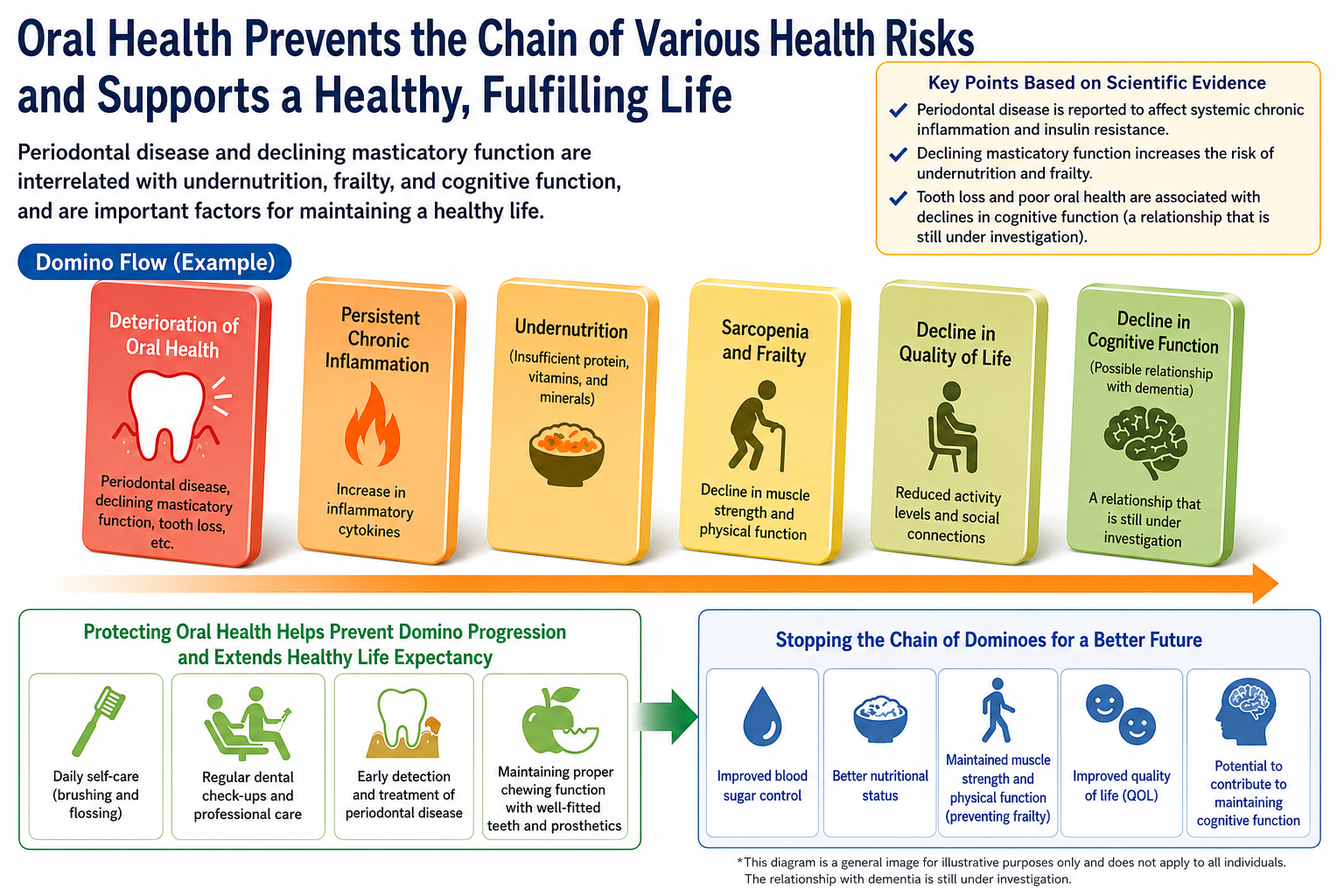
Figure 1. The Importance of Dental Health
Population aging is not an issue limited to Japan. Aging is progressing worldwide, and interest in maintaining oral function continues to grow. In response to these social challenges, regenerative medicine technologies originating in Japan may offer one potential new solution.
OrganTech, Inc. aims to contribute to the future of dentistry by realizing a new treatment concept: the “Third Natural Tooth.” This represents a challenge to provide patients with a new treatment option—one that follows natural teeth and conventional implants.
Of course, realizing this vision involves many challenges, including scientific validation through clinical research; confirmation of safety and efficacy; establishment of quality control and manufacturing systems; and compliance with regulatory requirements in Japan and other countries. That is precisely why we intend to steadily advance our research and development step by step and nurture this technology into a medical technology that earns the trust of society.
As we have conveyed throughout this series, what we are pursuing is not simply the development of a new product. Our challenge is to translate technologies born from organ regeneration research into actual medical applications and deliver new value to as many patients as possible.
A future in which regenerative medicine technology originating in Japan contributes to the health and fulfilling lives of people around the world—that is the future OrganTech, Inc. will continue striving to realize.
OrganTech, Inc. aims to contribute to the future of dentistry by realizing a new treatment concept: the “Third Natural Tooth.” This represents a challenge to provide patients with a new treatment option—one that follows natural teeth and conventional implants.
Of course, realizing this vision involves many challenges, including scientific validation through clinical research; confirmation of safety and efficacy; establishment of quality control and manufacturing systems; and compliance with regulatory requirements in Japan and other countries. That is precisely why we intend to steadily advance our research and development step by step and nurture this technology into a medical technology that earns the trust of society.
As we have conveyed throughout this series, what we are pursuing is not simply the development of a new product. Our challenge is to translate technologies born from organ regeneration research into actual medical applications and deliver new value to as many patients as possible.
A future in which regenerative medicine technology originating in Japan contributes to the health and fulfilling lives of people around the world—that is the future OrganTech, Inc. will continue striving to realize.
* This article reflects research and development-stage information as of August 31, 2026, and does not represent finalized medical procedures or products.